
request an appointment
Toll Free – 800 4272
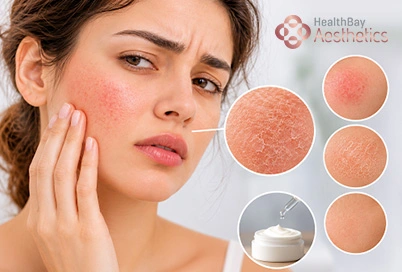
A damaged skin barrier causes dryness, redness, itching and increased sensitivity. Repair it with gentle skincare, ceramide-rich moisturisers, daily sunscreen and by avoiding harsh products and over-exfoliation. Consult a dermatologist if symptoms persist.
Healthy skin does more than improve your appearance. It also acts as a protective shield, keeping moisture inside while preventing harmful substances, irritants and environmental pollutants from entering. This protective function is largely maintained by the skin barrier, the outermost layer of the skin. However, excessive exfoliation, harsh skincare products, environmental exposure and certain skin conditions can weaken this natural defence system.
When the skin barrier becomes damaged, the skin may appear dry, flaky, irritated or unusually sensitive. Even skincare products that previously worked well may suddenly cause redness or a stinging sensation. These changes can affect people with all skin types, including those who regularly follow a skincare routine.
Understanding the causes and early signs of skin barrier damage is important for maintaining healthy skin. With appropriate skincare habits, consistent moisturisation and professional dermatological guidance when needed, the skin barrier can gradually recover.
The skin barrier is the outermost part of the epidermis, known as the stratum corneum. It serves as the body’s first line of defence against external irritants, allergens, microorganisms and environmental pollutants.
The skin barrier is often compared to a brick wall. Skin cells act as the bricks, while natural lipids, including ceramides, cholesterol and fatty acids, act as the mortar holding everything together. This organised structure helps retain moisture and protects the deeper layers of the skin.
A healthy skin barrier performs several important functions:
When this protective layer becomes weakened, moisture escapes more easily, and the skin becomes more vulnerable to irritation and inflammation.
A damaged skin barrier can affect the appearance and feel of your skin. Some symptoms develop gradually, while others may appear suddenly after using an irritating skincare product or undergoing excessive exfoliation.
Recognising these warning signs early can help prevent further irritation.
One of the most common signs of skin barrier damage is excessive dryness. The skin may feel rough, tight or uncomfortable even after applying moisturiser.
This happens because a weakened skin barrier struggles to retain moisture effectively. As water escapes from the skin, dry patches and visible flaking may develop.
A compromised skin barrier can make the skin more reactive to environmental factors and skincare ingredients. This may result in redness, inflammation or a burning sensation.
Some people notice that their cheeks, forehead or areas around the nose become unusually red after cleansing or applying skincare products.
If products that previously suited your skin suddenly cause discomfort, your skin barrier may be compromised.
Ingredients such as exfoliating acids, retinoids, fragrances and certain cleansing agents may trigger stinging, itching or irritation when the skin’s protective function is weakened.
A damaged skin barrier can contribute to itching because moisture loss and inflammation affect the skin’s normal protective function.
Repeated scratching may further irritate the affected area and increase the risk of additional skin damage.
When the skin barrier is unhealthy, the skin may lose its smooth appearance. Rough patches, uneven texture and visible peeling can develop, making the complexion look dull and dehydrated.
A compromised skin barrier may occur alongside acne and other inflammatory skin conditions. Some people experience increased bumps, redness or irritation when using too many active skincare ingredients.
However, not every breakout indicates skin barrier damage. Acne, rosacea and contact dermatitis can produce similar symptoms and may require different treatments.
Another noticeable warning sign is a stinging or burning sensation when applying products that were previously comfortable to use.
Even basic products such as moisturisers or cleansers may cause discomfort when the skin’s protective layer is weakened.
If these symptoms persist, a dermatologist can help identify whether the problem is barrier damage or an underlying skin condition.
Several internal and external factors can weaken the skin barrier. In many cases, the problem develops through a combination of unsuitable skincare practices and environmental exposure.
Exfoliation helps remove dead skin cells and improve skin texture. However, excessive exfoliation can disrupt the skin’s natural protective layer.
Frequent use of chemical exfoliants such as alpha hydroxy acids (AHAs), beta hydroxy acids (BHAs) and strong exfoliating treatments may cause irritation, dryness and sensitivity when used incorrectly.
Using multiple exfoliating products together without allowing the skin sufficient recovery time can increase the risk of barrier damage. If you enjoy structured routines, skin cycling is one way to space out activities and build in recovery nights, though it may not suit skin that is already irritated.
Cleansers containing harsh detergents or unsuitable ingredients can remove natural oils from the skin.
Frequent washing, aggressive scrubbing and using products that leave the skin feeling tight may gradually weaken its protective function.
A gentle, fragrance-free cleanser is generally a better option, particularly for sensitive or irritated skin.
Retinoids, vitamin C and exfoliating acids are commonly used to improve skin texture, pigmentation and signs of ageing.
Although these ingredients can provide several skincare benefits, excessive use or incorrect combinations may cause irritation, peeling and dryness.
Introducing several active ingredients simultaneously can also make it difficult to identify which product is causing the reaction.
Environmental exposure plays an important role in maintaining skin health.
In Dubai, intense sunlight, high temperatures, humidity fluctuations and prolonged exposure to air-conditioned environments can contribute to skin dryness and irritation. Cooler, drier air during Dubai’s winter months can also increase moisture loss.
UV exposure can damage skin cells and affect the skin’s natural protective functions. Air conditioning may also contribute to moisture loss, particularly when combined with inadequate moisturisation.
Hot water may remove some of the natural oils that help protect the skin. Long, hot showers and frequent washing can therefore worsen dryness and irritation.
Using lukewarm water and avoiding unnecessary cleansing can help maintain the skin’s natural moisture balance.
Certain dermatological conditions are associated with impaired skin barrier function.
These include:
People with these conditions may experience recurring dryness, inflammation, itching and sensitivity. In such cases, skincare changes alone may not be sufficient, and medical treatment may be necessary.
As the skin ages, its ability to retain moisture and maintain its protective function may gradually change.
Reduced production of natural lipids and changes in skin structure can contribute to dryness, sensitivity and slower recovery from irritation.
Restoring a damaged skin barrier requires a gentle and consistent approach. The priority is to reduce irritation, support hydration and give the skin sufficient time to recover.
Here are some practical steps that can help.
When your skin becomes irritated, avoid introducing several new skincare products.
Temporarily stop using non-essential exfoliants, scrubs and potentially irritating active ingredients. If you are using prescribed medication, consult your dermatologist before making changes.
Focus on a simple routine that includes:
A simplified routine reduces unnecessary exposure to potential irritants while allowing the skin to recover.
Use a mild, soap-free cleanser that removes dirt, excess oil and impurities without excessively stripping the skin.
Look for fragrance-free formulations designed for sensitive skin.
Avoid harsh scrubbing, cleansing brushes and excessively frequent washing. Use lukewarm water and gently pat your skin dry with a soft towel.
Moisturising is an important part of skin barrier recovery.
Choose a moisturiser that contains ingredients capable of attracting water, supporting the skin’s natural lipids or reducing moisture loss.
Some beneficial ingredients include:
Apply moisturiser regularly, particularly after cleansing, while the skin is still slightly damp.
Give your skin a break from exfoliating scrubs, strong chemical peels and other exfoliating products while irritation is present.
Once the skin has recovered, exfoliating ingredients can be gradually reintroduced if appropriate for your skin type.
It is important to avoid using multiple strong active ingredients together without professional guidance.
Sun protection is essential for maintaining healthy skin.
UV exposure can worsen inflammation and contribute to skin damage, pigmentation and premature ageing.
Use a broad-spectrum sunscreen with SPF 30 or higher every day. Reapply as directed, especially after sweating, swimming or prolonged outdoor exposure.
In sunny climates such as Dubai, additional protection through hats, sunglasses and shade can also help reduce unnecessary UV exposure.
Healthy lifestyle choices can support overall skin health and recovery.
Consider the following habits:
Although these habits cannot independently treat every cause of barrier damage, they contribute to overall skin wellness.
If dryness, redness, itching or irritation continues despite following a gentle skincare routine, consult a dermatologist.
Persistent symptoms may indicate eczema, rosacea, allergic contact dermatitis or another skin condition that requires targeted treatment.
A dermatologist can assess your skin, identify possible triggers and recommend an appropriate treatment plan based on your individual needs.
Professional dermatological care can help identify the underlying reasons for skin irritation and support appropriate skin management.
However, not every aesthetic treatment is suitable for a damaged skin barrier. Procedures such as chemical peels, microneedling and laser resurfacing may need to be postponed until the skin has recovered.
At HealthBay Aesthetics, dermatology care focuses on diagnosing and managing different skin concerns through personalised treatment approaches.
Depending on the underlying condition, a dermatologist may recommend:
A professional skin assessment helps identify the possible causes of dryness, redness, sensitivity and inflammation.
This is important because symptoms of skin barrier damage can overlap with conditions such as eczema, rosacea and contact dermatitis.
A dermatologist can recommend suitable cleansers, moisturisers and other skincare products based on your skin type and concerns.
The aim is to minimise irritation, improve hydration and support the skin’s natural protective function.
If barrier problems are associated with eczema, rosacea or contact dermatitis, treating the underlying condition is essential.
Depending on the diagnosis, treatment may include prescribed topical medication and appropriate skincare adjustments.
Once the skin barrier is healthy and stable, selected aesthetic treatments may help address additional concerns such as uneven skin tone, pigmentation, acne scars and texture irregularities.
Depending on individual suitability, options may include chemical peels, laser treatments and other skin rejuvenation procedures.
The timing and choice of treatment should always be determined by a qualified dermatologist following a proper skin assessment.
The recovery period depends on the severity of the damage, its underlying cause and the individual’s skin condition.
Mild irritation caused by over-exfoliation or unsuitable skincare products may improve within a few days to a couple of weeks after removing the triggering products and following appropriate skincare practices.
More significant barrier disruption or damage associated with chronic skin conditions may take several weeks or longer to improve.
Consistency is important. Frequently changing skincare products, restarting strong active ingredients too early or continuing to use irritating products can delay recovery.
If symptoms are persistent, worsening or accompanied by swelling, painful cracks, oozing or signs of infection, seek medical evaluation rather than relying on home skincare measures.
Preventing skin barrier damage is easier than managing repeated episodes of irritation. Developing a balanced skincare routine and avoiding unnecessary product use can help maintain healthy skin.
Follow these preventive measures:
A consistent and personalised skincare routine can help protect the skin barrier and maintain healthier-looking skin over time.
1. What are the first signs of a damaged skin barrier?
The early signs include dryness, tightness, redness, flaking, itching and increased sensitivity. You may also notice a stinging sensation when applying skincare products that previously suited your skin.
2. Can a damaged skin barrier repair itself?
Yes. Mild skin barrier damage can often improve naturally when the triggering factors are removed. Using gentle cleansers, applying suitable moisturisers and avoiding irritating skincare ingredients can support the recovery process. Persistent or severe symptoms may require dermatological treatment.
3. How can I repair my skin barrier quickly?
The best approach is to simplify your skincare routine, avoid harsh active ingredients, use a gentle cleanser and apply a fragrance-free moisturiser regularly. Daily sun protection is also important. Recovery takes time, so avoid introducing unnecessary treatments or products.
4. Which ingredients are best for skin barrier repair?
Ceramides, glycerin, hyaluronic acid, petrolatum, squalane and fatty acids are commonly used in moisturisers to support skin hydration and barrier function. The most suitable ingredients depend on your skin type and individual sensitivities.
5. Should I stop using retinol if my skin barrier is damaged?
If retinol is causing burning, excessive dryness, peeling or irritation, temporarily pausing its use may be appropriate. However, if it has been prescribed for a medical condition, consult your dermatologist before stopping or changing the treatment.
6. Can sunscreen help repair a damaged skin barrier?
Sunscreen does not directly repair the skin barrier, but it helps protect the skin from UV damage while it recovers. A broad-spectrum sunscreen with SPF 30 or higher is recommended as part of daily skincare.
7. Can oily skin also have a damaged skin barrier?
Yes. Skin barrier damage can affect all skin types, including oily, combination and acne-prone skin. Even if your skin produces excess oil, it may still experience dehydration, irritation and increased sensitivity.
8. Is a damaged skin barrier the same as sensitive skin?
No. Sensitive skin describes a tendency to react to certain products or environmental factors, while a damaged skin barrier refers to impaired protective function. A weakened barrier can contribute to sensitivity, but other conditions may also cause similar symptoms.
9. Can over-exfoliation permanently damage the skin barrier?
Most mild cases of over-exfoliation-related barrier damage are reversible with appropriate care. However, repeated irritation and untreated underlying skin conditions can cause ongoing problems. Persistent symptoms should be assessed by a dermatologist.
10. When should I consult a dermatologist for skin barrier damage?
Consult a dermatologist if you experience persistent redness, burning, itching, severe dryness, cracking or recurring irritation. Professional evaluation is particularly important if your symptoms worsen despite following a gentle skincare routine.
Your skin barrier plays an essential role in keeping your skin hydrated, balanced and protected from external irritants. Recognising the early signs of damage and following a suitable skincare routine can help maintain its natural protective function. However, persistent dryness, redness and sensitivity may require professional attention to identify the underlying cause.
At HealthBay Aesthetics, our dermatology specialists offer personalised skin assessments and treatment recommendations to address individual skin concerns. With the right professional guidance, you can take informed steps towards improving your skin health and maintaining a healthy-looking complexion.
Concerned about skin barrier damage? Schedule a consultation with HealthBay Aesthetics in Dubai and explore the right approach to restoring your skin’s health.
Book an Appointment