
request an appointment
Toll Free – 800 4272
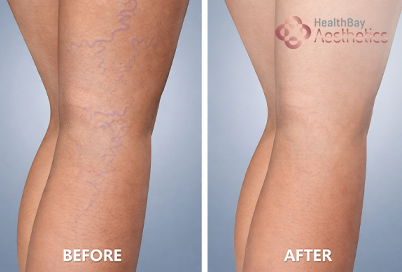
Spider veins are a common cosmetic and vascular concern affecting millions of people worldwide. Though usually harmless, they can impact confidence and sometimes signal underlying vein issues. If you’re searching for effective Spider Vein Treatments, understanding their causes, prevention, and available solutions is the first step toward healthier, clearer skin.
If you’re exploring effective Spider Vein Treatments understanding what causes them, how to prevent them, and the best treatment options available is essential. With modern advancements in aesthetic medicine, achieving clearer, healthier-looking skin is now easier than ever.
Spider veins, medically referred to as telangiectasia, are small, dilated blood vessels that appear close to the surface of the skin. They often look like thin red, blue, or purple lines forming web-like or branching patterns.
These veins develop when tiny valves inside the veins weaken or malfunction, causing blood to pool instead of flowing properly. Over time, this leads to visible vein patterns on the skin.
Unlike varicose veins, spider veins are smaller, flatter, and usually painless. However, some individuals may experience mild symptoms such as itching, burning, or slight discomfort, especially after prolonged standing.
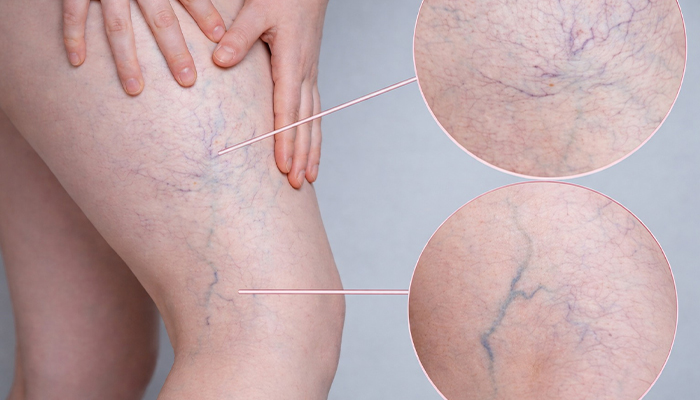
Several factors contribute to the formation of spider veins. Understanding these can help you take preventive steps and choose the right Spider Vein Treatments.
While spider veins are often considered a cosmetic issue, they can sometimes cause physical symptoms, including:
If these symptoms worsen, it’s important to seek professional evaluation.
Preventing spider veins involves lifestyle changes that improve blood circulation and reduce vein pressure.
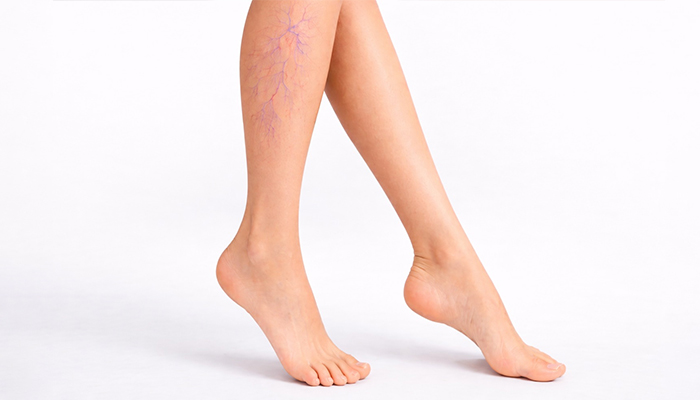
Modern Spider Vein Treatments are safe, effective, and minimally invasive. At leading aesthetic centers like HealthBay Aesthetics, advanced technologies are used to deliver optimal results.
Sclerotherapy is one of the most popular and effective treatments for spider veins, especially on the legs. In this procedure, a specialized medical solution is carefully injected into the affected veins. This solution causes the veins to collapse, seal shut, and gradually fade from view over time.
The treatment is minimally invasive, requires little to no downtime, and delivers noticeable improvements, making it a preferred choice for individuals seeking smoother, clearer skin.Laser treatment uses focused light energy to target and break down small veins. It is particularly effective for delicate areas like the face and requires no incisions.
This method uses controlled heat energy to close off affected veins, allowing the body to naturally absorb them over time.
Often used alongside other treatments, compression therapy supports healing, improves circulation, and helps prevent new veins from forming.
| Treatment Type | Procedure Type | Best For | Downtime | Effectiveness |
|---|---|---|---|---|
| Sclerotherapy | Injection-based | Leg spider veins | Minimal | High |
| Laser Therapy | Non-invasive | Face & small veins | None | High |
| Radiofrequency | Minimally invasive | Larger visible veins | Low | Moderate-High |
| Compression Therapy | Supportive care | Prevention & recovery | None | Supportive |
Most patients require multiple sessions for optimal results.
Yes, modern Spider Vein Treatments are considered very safe when performed by experienced professionals. These procedures are minimally invasive and involve little to no downtime.
These side effects are usually short-lived and subside within a few days.
You should consult a specialist if:
Professional treatments offer:
Spider veins may be common, but they don’t have to be permanent. With the right knowledge, preventive care, and advanced Spider Vein Treatments, you can achieve smooth, clear skin and regain your confidence.
Ready to restore your skin’s natural beauty? Book your consultation today with HealthBay Aesthetics.
1. What is the most effective spider vein treatment?
The most effective Spider Vein Treatments depend on the size and location of the veins. Sclerotherapy is highly effective for leg veins, while laser therapy works best for smaller veins on the face. A specialist can recommend the most suitable option based on your condition.
2. Are spider vein treatments painful?
Most Spider Vein Treatments are minimally invasive and involve little to no pain. Patients may feel a slight tingling or mild discomfort during procedures like laser therapy or injections, but it is generally well tolerated without the need for anesthesia.
3. How long does it take to see results after treatment?
Results from Spider Vein Treatments are usually visible within a few weeks. However, complete fading of veins may take several sessions depending on the severity and type of treatment used.
4. Can spider veins come back after treatment?
Treated veins typically do not return, but new spider veins may develop over time due to lifestyle or genetic factors. Maintaining a healthy lifestyle and following preventive measures can help reduce recurrence after Spider Vein Treatments.
5. Who is a good candidate for spider vein treatments?
Anyone experiencing visible spider veins and seeking cosmetic improvement is generally a good candidate for Spider Vein Treatments. A consultation with experts at HealthBay Aesthetics can help determine the best treatment plan based on your skin type and vein condition.
Book an Appointment