
request an appointment
Toll Free – 800 4272
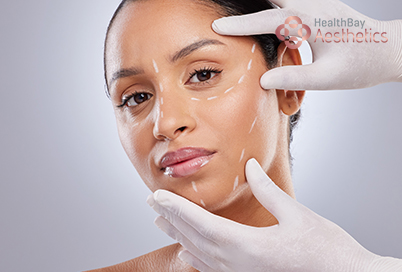
Aesthetic treatments have changed dramatically over the last decade. Today, Botox and dermal fillers can smooth wrinkles, restore volume, and refresh your appearance with little downtime. Because of this, many patients continue non-surgical treatments for years, even when those treatments are no longer giving the results they expect.
One of the most common questions we hear from patients in Dubai is:“How do I know if I still need fillers… or if it’s finally time for a facelift?”
The truth is simple:
Botox and fillers treat aging symptoms, while a facelift treats the actual cause of facial aging.
This guide explains the clear signs that indicate when non-surgical treatments stop being effective and when a facelift becomes the more natural, longer-lasting solution.
Before identifying the signs, it’s important to understand what each treatment actually does.
| Feature | Botox | Fillers | Facelift |
|---|---|---|---|
| Treatment Type | Non-surgical injectable | Non-surgical injectable | Surgical procedure |
| Primary Purpose | Relaxes wrinkle-causing muscles | Restores lost facial volume | Lifts and repositions sagging facial tissues |
| Best For | Forehead lines, frown lines, crow’s feet | Cheek volume loss, lips, under-eye hollows, smile lines | Sagging cheeks, jowls, loose jawline, neck laxity |
| What It Corrects | Dynamic wrinkles (movement lines) | Volume loss and contour deficiencies | Structural aging and skin laxity |
| Does It Lift Skin? | No | No (only temporary contouring) | Yes, lifts and tightens skin and muscles |
| How It Works | Temporarily relaxes facial muscles | Adds hyaluronic acid gel beneath the skin | Repositions deeper facial tissues and removes excess skin |
| Result Appearance | Smoother skin | Fuller, plumper areas | Naturally younger facial structure |
| Longevity of Results | 4–6 months | 8–18 months | 8–12 years (long-term improvement) |
| Downtime | None | Minimal (1–3 days swelling) | Moderate (2–3 weeks recovery) |
| Number of Sessions Needed | Repeated 2–3 times yearly | Repeated yearly | Usually one procedure with long-lasting effects |
| Treats Jowls & Loose Skin? | No | No | Yes |
| Cost Over Time | Ongoing maintenance cost | Ongoing maintenance cost | Higher initial cost but lower long-term maintenance |
Botox and fillers maintain a youthful look, but a facelift restores youthful facial structure. That’s why patients eventually transition when sagging becomes the main concern.
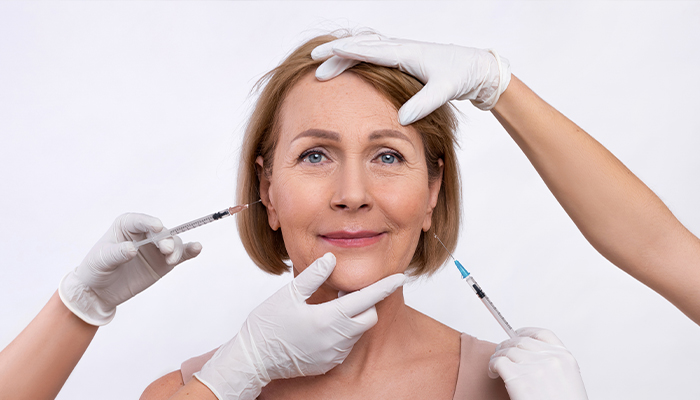
Facial aging happens in three layers, not just wrinkles:
Fillers only replace volume.
Botox only relaxes muscles.
But neither can move tissues back upward once gravity causes descent. This is the key reason patients eventually outgrow injectables.

If repeated filler sessions make your face look swollen rather than youthful, this is a major indicator. This happens because fillers are being used to lift sagging tissue indirectly, which they are not designed to do. Instead of tightening, they accumulate volume.
Typical signs:
A facelift corrects sagging without adding excess volume.
Jowls are one of the most important surgical indicators. They occur when cheek fat descends below the jawline. No amount of Botox or filler can reposition that tissue upward.
If you notice:
You are likely beyond injectable correction.
Many patients repeatedly fill smile lines every 6-9 months. But deep nasolabial folds are usually caused by tissue descent, not volume loss. When fillers fade quickly or require increasing amounts each visit, the underlying issue is structural, and a facelift addresses the root cause.
A youthful face has a clear jawline.
If you notice:
Injectables can camouflage briefly, but cannot tighten the lower face. A facelift redefines the jawline naturally.
Botox treats wrinkles caused by muscle movement.
However, if your concern is:
This indicates skin laxity, not muscle activity, meaning Botox will no longer be effective.
When patients start needing filler more frequently, it’s a sign the face needs support, not more volume.
You may notice:
A facelift typically lasts 8-12 years, making it more predictable and cost-effective long term.
Aging of the neck (loose skin bands, double chin, vertical lines) cannot be corrected with Botox or fillers alone. If your neck looks older than your face, it’s usually time for surgical lifting rather than non-surgical treatments.
Patients often report:
“Makeup doesn’t sit smoothly anymore.” This occurs because the issue is no longer surface wrinkles but skin redundancy. Only lifting procedures can correct this.
Many patients feel trapped in a cycle:
Botox → fillers → touch-ups → corrections.
A facelift restores structure once, allowing minimal maintenance rather than constant procedures.
Age alone does not determine treatment, but statistically:
This is the stage where a facelift often provides the most natural outcome.
Modern facelift treatments are different from older surgeries.
Today’s procedures:
Many patients now choose a facelift earlier because a smaller lift at the right time looks more natural than excessive fillers over time.
No facial treatment stops aging completely.
However:
You will still age, but from a more youthful starting point.
You may be suitable if you:
A proper consultation determines the best approach and whether surgery is necessary.
Botox and fillers are excellent treatments, but they are maintenance treatments, not structural corrections. If you are continuously increasing filler but still unhappy with facial sagging, the issue is not the treatment; it’s the stage of aging. A facelift doesn’t replace injectables; it resets the foundation, so smaller treatments work again naturally.
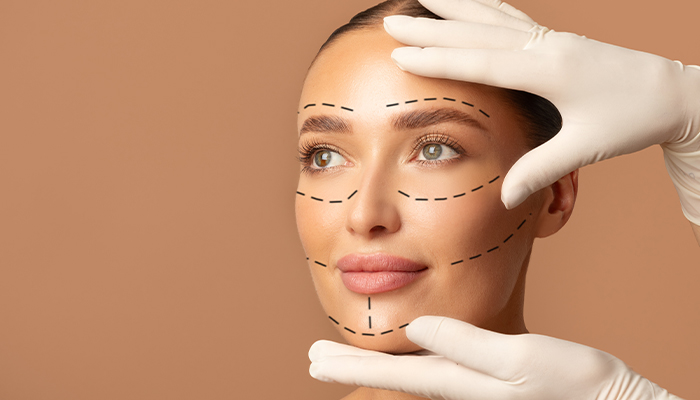
Understanding when to transition from injectables to a facelift is often the turning point in achieving long-lasting, natural results. Many patients continue Botox and fillers for years, hoping to correct sagging skin, but aging eventually becomes structural rather than surface-level. When cheeks descend, the jawline softens, and loose skin develops, non-surgical treatments alone may no longer provide the improvement you expect.
A facelift does not replace non-surgical treatments; it restores the foundation so those treatments can work properly again. Instead of repeatedly adding volume, the procedure lifts and repositions facial tissues, creating balanced contours and a refreshed appearance while preserving your natural expressions.
At HealthBay Aesthetics, facial rejuvenation is approached with a personalized and medically guided philosophy. The focus is not on changing your appearance, but on restoring harmony and proportion to your facial features.
Patients benefit from:
Every consultation is designed to determine whether surgery is truly necessary or whether non-surgical treatments can still achieve your goals. This ensures patients receive the most appropriate treatment rather than an unnecessary procedure.
During your consultation, several important factors are evaluated:
Some patients discover they can continue with injectables, while others learn that a facelift would provide a more predictable and longer-lasting outcome. The purpose of the assessment is clarity, helping you understand what will realistically work for your face.
Modern facelift techniques are very different from older procedures. The goal is subtle rejuvenation, not a tight or artificial look. By repositioning deeper tissues rather than simply stretching skin, the face appears refreshed and well-rested rather than operated. Patients typically notice:
Results develop gradually as healing progresses, allowing the change to appear natural to friends and family.
You may benefit from a professional evaluation if:
An expert assessment helps determine whether you should continue maintenance treatments or consider a structural approach.
Choosing the right treatment is not about age, it is about understanding the stage of facial aging. When the concern shifts from wrinkles to sagging, restoring facial structure often provides the most natural and satisfying result. If you feel your current treatments are no longer giving the improvement you expect, scheduling a consultation can help you explore the most suitable option and create a plan tailored specifically to your facial anatomy and goals.
1. How much does a facelift cost in Dubai?
The cost of a facelift in Dubai varies depending on the type of procedure performed, the complexity of correction required, anesthesia, and facility fees. A personalized consultation is necessary to determine the exact treatment plan and provide an accurate quotation. Patients are evaluated individually because every face ages differently, and the procedure is tailored accordingly.2. How much is a 1-hour facelift?
A “1-hour facelift” usually refers to minimally invasive lifting techniques designed for mild skin laxity. These procedures provide subtle improvement and shorter recovery compared to a traditional facelift, but results are also more limited and shorter-lasting. They may be suitable for early aging changes, while moderate to advanced sagging typically requires a more comprehensive surgical lift for meaningful results.3. What age is best for a facelift?
There is no perfect age for a facelift. Most patients consider the procedure between their late 40s and late 50s, but suitability depends on skin laxity and facial structure rather than age alone. Some people may benefit earlier due to genetics or significant tissue descent, while others may wait longer. The key factor is when sagging skin and jowls become the primary concern instead of wrinkles.4. How long will a facelift last?
Facelift results typically last about 8 to 12 years. While the procedure does not stop the aging process, it resets the facial structure to a more youthful position. Patients continue to age naturally, but from a younger starting point, so they still look better than if the procedure had never been performed.5. What happens 10 years after a facelift?
Ten years after a facelift, the face will continue to age naturally. However, most patients still look younger than they would have without surgery. Skin may gradually loosen again, but it rarely returns to the original pre-surgery condition. Some patients choose minor maintenance treatments such as skin tightening, Botox, or small amounts of filler to maintain their results.6. What are the negatives of a facelift?
As with any surgical procedure, a facelift involves considerations such as recovery time, temporary swelling or bruising, and a healing period before final results appear. There will also be small scars placed in discreet areas around the ears and hairline. Choosing an experienced practitioner, following aftercare instructions, and proper patient selection significantly reduces risks and supports a smooth recovery.7. Is a facelift permanent?
A facelift is long-lasting but not permanent. It improves facial structure by lifting and repositioning tissues, but natural aging continues over time. The results typically remain visible for many years, especially when combined with good skincare, sun protection, and healthy lifestyle habits.8. How will I look 3 weeks after a facelift?
Around three weeks after a facelift, most visible swelling and bruising has improved significantly. Patients usually look presentable in social settings, though mild swelling or tightness may still be noticeable to the patient themselves. The face already appears more defined and refreshed, but final results continue to refine over the next few months as healing progresses.