
request an appointment
Toll Free – 800 4272
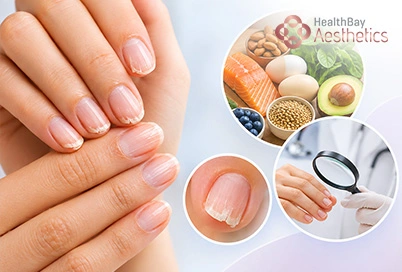
Brittle nails are most often caused by repeated water exposure, harsh soaps and sanitisers, solvent-based nail products, frequent gel or acrylic manicures, and natural ageing. Low iron, low protein and, rarely, true biotin deficiency can also weaken nails, as can thyroid disease, skin conditions and fungal infection. Gentle nail care, hand protection and a balanced diet help most people. See a dermatologist if nails stay brittle, change shape or colour, or hurt.
Nails that split into layers, peel at the tips or snap halfway down the nail are a common frustration. Many people assume they are missing a vitamin. In practice, the cause is often a mix of daily habits, the environment and, sometimes, an underlying health issue.
In Dubai, the picture has its own twists. Air-conditioned rooms keep indoor air dry. Hand sanitiser is used all day. Pool chlorine and regular gel manicures are part of many routines. All of these can wear down the nail plate over time.
This guide explains what brittle nails are, what commonly causes them, which nutrients matter (and which claims are overstated), and which habits a dermatologist would ask you to change. It also covers the signs that mean it is time to get your nails examined.
A healthy nail is made of tightly packed layers of keratin, the same protein found in hair and the outer skin. It holds some moisture, which keeps it flexible. When that structure weakens, nails tend to show one of two patterns:
Brittle nails are not the same as slow-growing nails. Brittle nails usually grow at a normal pace. They just break before you can enjoy the length. Fingernails typically take about four to six months to grow out completely, so any change in routine needs patience before you see results.
Most cases trace back to external factors. These are the usual suspects.
Repeated wetting and drying. Nails absorb water and swell, then shrink as they dry. Repeating this many times a day gradually loosens the bonds between nail cells. Dishwashing, cleaning, childcare and frequent hand washing all contribute.
Harsh products. Alcohol-based sanitisers, strong detergents and acetone-based polish removers strip natural oils from the nail and the skin around it. Many “strengthening” or hardening polishes can also make nails feel firm at first but more rigid and easier to snap later.
Manicure habits. Frequent gel or acrylic sets, along with the soaking, buffing and peeling that come with removal, thin the nail plate. Picking off gel polish takes layers of nail with it.
Physical stress. Using nails as tools, typing hard on keyboards, biting, or trimming and filing in different directions can all start tiny cracks.
Dry air and climate. Constant air-conditioning, low indoor humidity and chlorinated pool water dehydrate nails just as they dry the skin.
Ageing. Nails tend to become drier, more rigid and more fragile with age. Women are often affected more than men, and hormonal changes may play a part.
Sometimes brittle nails are a clue to something beyond the nail itself. A dermatologist may consider:
Brittle nails alone rarely point to a serious disease. But if they come with other symptoms, such as fatigue, hair thinning, weight changes or skin problems, it is worth getting checked rather than guessing.
Nails are built from protein, so general nutrition matters. Still, supplements are not a quick fix for everyone. Here is how the main nutrients stack up.
| Nutrient | Why it matters for nails | Strength of evidence | Food sources |
|---|---|---|---|
| Protein | Keratin is a protein, and low intake can slow healthy nail formation | Reasonable, especially in restrictive diets | Eggs, fish, chicken, lentils, chickpeas, dairy |
| Iron | Low levels are linked to weak, ridged or spoon-shaped nails | Reasonable when a deficiency is confirmed | Red meat, spinach, lentils, and fortified cereals (when combined with vitamin C) |
| Zinc | Supports cell growth and repair | Moderate | Beans, nuts, seeds, meat, shellfish |
| Vitamin C | Needed for collagen formation and iron absorption | Supportive | Citrus fruit, guava, peppers, berries |
| Biotin (B7) | Linked to nail thickness in some small studies | Mixed; true deficiency is uncommon | Egg yolks, nuts, seeds, salmon |
| Omega-3 fats | May support nail and skin hydration | Limited | Oily fish, walnuts, flaxseed |
Small changes in daily routines can help reduce unnecessary nail damage and maintain healthier-looking nails.
Consider following these simple practices:
Consistency with these habits can help minimise environmental damage to the nails.
Occasional nail breakage is usually not a cause for concern. However, persistent or unusual changes should not be ignored.
Consider consulting a dermatologist if you notice:
A dermatologist can examine the nails, review relevant lifestyle and medical factors and determine whether further investigations are necessary.
Depending on the findings, blood tests or other assessments may be recommended to check for nutritional deficiencies, infections or underlying medical conditions. If an underlying nail condition is found, you can read more about how we assess and manage nail disorders.
According to general dermatological guidance, nail health depends on a combination of proper care, nutritional balance and protection from environmental damage.
A few important recommendations include:
Remember that nail supplements are not necessary for everyone. Identifying and addressing an actual nutritional deficiency is more appropriate than taking supplements without medical guidance.
1. What vitamin deficiency causes brittle nails?
Low iron and low protein intake are the most common nutritional links. Zinc and, rarely, biotin deficiency may also play a part. A blood test can show whether any of these apply to you.
2. Does biotin really work for brittle nails?
Some small studies show thicker nails with biotin, but the evidence is limited and not everyone responds. If you use it, tell your doctor, because it can affect some blood test results.
3. Are nail hardeners good for brittle nails?
Often not. They can make nails feel stiff and cause them to snap or split more easily with repeated use. Moisturising is usually the better approach.
4. Can gel manicures cause brittle nails?
They can, mainly through the buffing, soaking and peeling involved. Having gel removed professionally and giving nails regular breaks reduces the damage.
5. Why are my nails splitting into layers?
Layer splitting usually comes from repeated wetting and drying, harsh products or physical trauma. Persistent splitting with other symptoms can point to an underlying cause.
6. Can an underactive thyroid affect nails?
Yes, thyroid disorders can make nails dry, brittle or slow-growing. If you also have fatigue, dry skin or hair thinning, ask your doctor about a thyroid check.
7. How long does it take to fix brittle nails?
Because fingernails take around four to six months to grow out, noticeable improvement often takes a couple of months of consistent care.
8. Is it better to keep nails short if they are brittle?
Yes. Short, gently rounded nails are less likely to catch, bend and break while the nail recovers.
9. Does drinking more water help nails?
Adequate hydration supports overall skin and nail health, but drinking extra water will not fix nails damaged by external factors. Moisturising and hand protection matter more.
10. When are brittle nails a sign of something serious?
Brittle nails alone rarely signal a serious illness. See a doctor if you notice a dark streak, pain, pus, lifting of the nail or sudden changes, or if brittleness comes with other symptoms.
Brittle nails are usually the result of dryness, daily wear and a few avoidable habits, not a sign of serious illness. Protecting your hands from water and harsh products, moisturising often and keeping nails short give most people visible improvement within a few months. A balanced diet with enough protein, iron and zinc supports that progress, and supplements such as biotin make sense only when there is a real reason to take them.
Nails that stay fragile, change colour or shape, or hurt are a different matter. In those cases, getting the cause identified early is better than trying one remedy after another.
Brittle nails that don’t improve with good care deserve a closer look. Our dermatology team will examine your nails and the skin around them, review your habits and health history, and advise on the next steps, including tests if they are needed.
Meet our dermatology team or request an appointment to get started.
Book an Appointment