
request an appointment
Toll Free – 800 4272
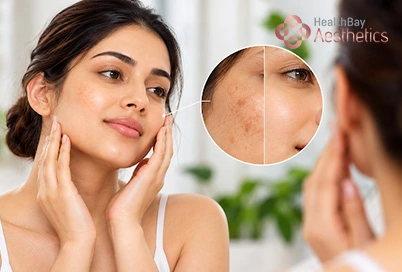
Dull, uneven skin tone is usually caused by a buildup of dead skin cells, UV damage, pigmentation, dehydration, inflammation, or lifestyle factors such as poor sleep and smoking. Mild cases often improve with a gentle routine and daily sunscreen, which helps prevent further darkening and supports other skincare steps. Persistent cases may need professional treatment, such as chemical peels or laser-based therapy, chosen after a skin assessment.
Does your skin look tired, lack radiance, or appear uneven despite following a regular skincare routine? Dull skin and uneven skin tone are common concerns that can develop due to sun exposure, dehydration, dead skin cell buildup, post-acne marks, and other factors.
Living in Dubai, where sun exposure and heat can affect daily skincare needs, makes consistent skin protection particularly important. Understanding what is causing these changes is the first step towards choosing the right approach for a healthier-looking complexion.
Dullness and uneven skin tone are related but different concerns. Dullness generally refers to a lack of radiance, while uneven skin tone involves variations in skin colour, including dark spots, pigmentation, and post-acne marks.
Several factors can contribute to these changes.
Exposure to ultraviolet (UV) radiation can stimulate melanin production, leading to tanning, dark spots, and uneven pigmentation. Prolonged sun exposure may also contribute to premature skin ageing and changes in skin texture.
Using broad-spectrum sunscreen with SPF 30 or higher, seeking shade, and wearing protective clothing can help reduce further sun damage.
Dehydrated skin may appear dull, rough, or flaky. Environmental conditions, air conditioning, harsh cleansers, and unsuitable skincare products can contribute to moisture loss.
Using a moisturiser suited to your skin type helps support the skin barrier and maintain a smoother, more radiant appearance.
Dead skin cells naturally accumulate on the skin’s surface before shedding. When the skin appears rough or lacks radiance, gentle exfoliation may help improve its texture.
However, excessive exfoliation can damage the skin barrier, cause irritation, and worsen pigmentation. Choose products appropriate for your skin type and avoid combining too many exfoliating ingredients.
Dark marks can remain after acne, irritation, or other inflammatory skin conditions have healed. This is known as post-inflammatory hyperpigmentation.
These marks may take several weeks or months to fade. Picking acne, using harsh products, and exposing affected areas to sunlight without protection can make discolouration more persistent.
Hormonal fluctuations, pregnancy, and certain medications can contribute to melasma, a pigmentation condition that causes brown or grey-brown patches, commonly on the face.
Sun exposure can make melasma more noticeable. Because melasma and other pigmentation conditions require different management approaches, persistent or changing patches should be assessed by a qualified clinician.
Using too many active ingredients, frequently changing products, skipping moisturiser, or cleansing with harsh products can irritate the skin.
A simple and consistent skincare routine is often a better starting point than using multiple strong products in an attempt to achieve faster results.
A consistent skincare routine can help improve skin hydration, support the skin barrier, and reduce the appearance of certain types of discolouration.
Morning skincare routine
Evening skincare routine
Introduce new skincare products gradually. If you develop persistent redness, burning, or irritation, discontinue the suspected product and seek professional advice.
Certain skincare ingredients can help improve the appearance of dullness and uneven skin tone.
Not every ingredient suits every skin type. If you have sensitive skin, persistent pigmentation, or an existing skin condition, consult a qualified professional before introducing stronger active ingredients.
Daily sun protection is essential when managing uneven skin tone. Apply broad-spectrum sunscreen to exposed skin and reapply as directed. Hats, sunglasses, and shade provide additional protection.
Consistent sun protection helps prevent existing pigmentation from becoming more noticeable and supports the results of other skincare measures.
If your skin continues to look dull or pigmentation persists despite a consistent skincare routine, professional treatment may be worth considering.
At HealthBay Aesthetics, treatment options should be selected according to the underlying concern, skin type, sensitivity, and individual suitability.
Chemical peels use selected exfoliating agents to encourage skin renewal. Depending on the formulation and your skin's needs, they may help improve dullness, surface texture, and certain types of superficial pigmentation.
The peel strength and treatment frequency should be determined by a qualified professional. An unsuitable peel can cause irritation and worsen pigmentation in some skin types.
Spectra Laser is a laser-based treatment that may be used for selected pigmentation and skin-rejuvenation concerns.
A professional skin assessment is important to determine whether the treatment is appropriate for your particular type of pigmentation and skin characteristics.
Fraxel uses fractional laser technology to address selected concerns involving skin texture, sun damage, scars, and pigmentation.
The expected results, recovery period, and suitability depend on the treatment settings and individual skin characteristics. A qualified clinician can explain the potential benefits and risks before treatment.
Pigmentation treatment focuses on reducing dark spots, melasma, and post-acne marks to improve uneven skin tone. Depending on the cause and skin type, treatment may include topical creams, chemical peels, laser treatments, or other dermatologist-recommended procedures.
Consistent sun protection and appropriate skincare help support treatment results and reduce the risk of further pigmentation.
Important: Professional treatments can cause temporary redness, irritation, or changes in pigmentation. Results vary, and not every procedure is suitable for every skin type. Appropriate aftercare and sun protection are essential.
Dr. Monika Figueiredo, our Specialist Dermatologist at HealthBay Aesthetics, shares valuable skincare insights to help you better understand your skin concerns and care for your complexion.
1. What is the main cause of dull skin?
Dull skin can be associated with dehydration, dead skin cell buildup, sun damage, irritation, and changes in skin texture. Identifying the underlying cause helps determine the most suitable skincare approach.
2. How can I improve uneven skin tone naturally?
Consistent sunscreen use, gentle cleansing, moisturising, and avoiding skin irritation can help improve the appearance of your complexion. Persistent pigmentation may require targeted skincare or professional assessment.
3. Which skincare ingredients help with uneven skin tone?
Vitamin C, niacinamide, and azelaic acid may help improve the appearance of certain types of discolouration. The most suitable ingredient depends on your skin type, the cause of pigmentation, and your tolerance.
4. Can professional treatments help dull skin?
Yes. Selected chemical peels and laser-based treatments may help improve certain concerns involving dullness, pigmentation, and uneven texture. A qualified clinician should assess your skin before recommending a procedure.
5. How long does it take to improve uneven skin tone?
The timeframe varies depending on the cause, severity, skincare routine, and treatment selected. Improvements in hydration may be noticeable sooner, while pigmentation can take several weeks or months to fade.
6. When should I consult a skin specialist for pigmentation?
Consider a professional assessment if pigmentation persists despite suitable skincare, worsens over time, or is accompanied by other skin changes. A new or changing dark spot should be evaluated by a qualified clinician.
7. Does sunscreen help reduce uneven skin tone?
Yes. Broad-spectrum sunscreen with SPF 30 or higher helps protect against UV damage and may prevent existing pigmentation from becoming darker. Regular application and reapplication as directed are important, particularly in sunny conditions.
8. Which professional treatments are available for uneven skin tone in Dubai?
Depending on the skin concern, treatment options may include chemical peels, Spectra Laser, Fraxel Laser, and other targeted pigmentation treatments. A dermatologist should assess your skin type and pigmentation before recommending a suitable option.
9. Can dehydration make my skin look dull?
Yes. Dehydrated skin may appear rough, flaky, or less radiant. Using a suitable moisturiser, avoiding harsh cleansers, and maintaining a gentle skincare routine can help improve skin hydration and appearance.
10. Is it possible to prevent dull and uneven skin tone?
Yes. Following a consistent skincare routine, using daily sunscreen, staying hydrated, and avoiding harsh skincare products can help maintain a healthier-looking complexion and reduce the risk of further pigmentation.
Dullness and uneven skin tone can develop for several reasons, including sun exposure, dehydration, post-acne marks, and hormonal changes. Understanding the cause is the first step towards choosing suitable skincare products and treatments.
Start with gentle cleansing, regular moisturising, and daily sun protection. Avoid excessive exfoliation and introducing multiple active ingredients at once. If your skin concerns persist, a professional assessment can help you understand the available options.
Concerned about dull skin, dark spots, or uneven pigmentation? HealthBay Aesthetics can help you understand your skin concerns and discuss suitable skincare and treatment options based on a professional assessment.
Book a consultation with HealthBay Aesthetics to discuss a personalised approach to improving your skin's appearance and managing pigmentation.
Book an Appointment